
Publishers · OTT
Media Pipeline
A media library is only an asset if you can find things in it, ship them cheaply, and know when someone else is using them.
Overview
Most media organisations are sitting on a shelf they cannot see into. The footage is there, the rights are there, and the practical cost of finding a specific thirty seconds is a person watching tape.
Media Pipeline is the set of models we built for that shelf. It labels and indexes what is in the library, cleans up material that predates HD, adds context inside the player, checks uploads before they go live, and finds your footage when it appears somewhere it should not.
Each piece is separable. Publishers usually start with one problem — the archive, the rights, or the bandwidth bill — and add the rest once the pipeline is in place.
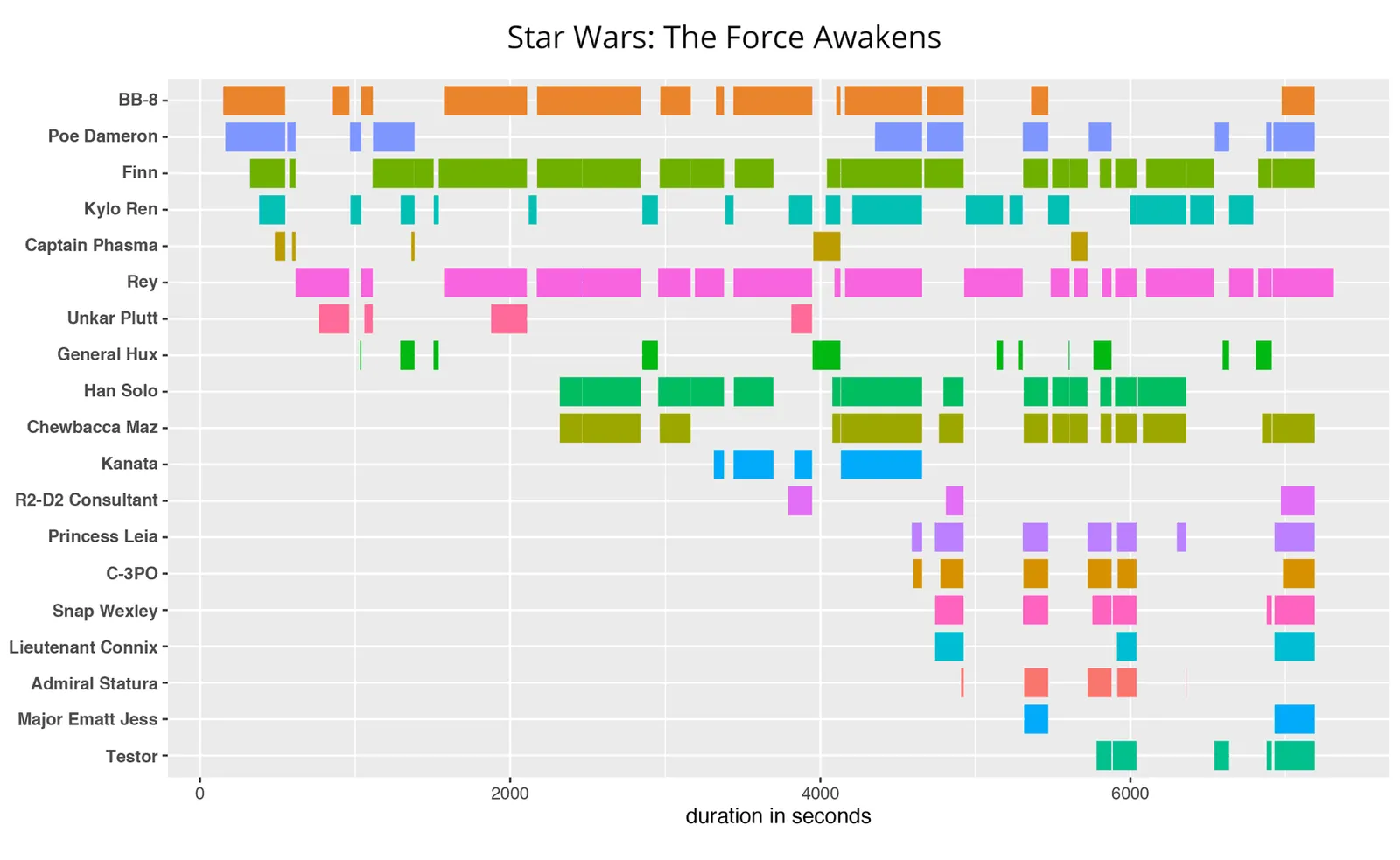
Capabilities
What Media Pipeline does
Labelled, searchable library
Automatic labelling across the media library so footage can be found by what is in it, not by whatever the filename says.
Archive remastering
Cleans up old video and brings it up to a standard worth putting on a streaming service, rather than leaving it unpublishable.
Copyright matching
Matches video against your catalogue to find reuse, down to a single second of matching footage.
Context inside the player
X-ray style metadata surfaced in the player itself, so a viewer can see what and who is on screen without leaving the video.
Moderation at upload
Image, video and audio moderation for user-generated content, so a human is reviewing exceptions rather than everything. Audio moderation is tested in English and Hindi.
Selective encoding
Reduces resolution on the parts of a frame that carry no detail worth paying for, which cuts delivery cost without a visible change to the viewer.
Who it is for
Built for these situations
Broadcasters with an archive
Decades of tape that is valuable in principle and unshippable in practice.
Streaming and OTT platforms
Anyone whose catalogue is large enough that discovery, rights and CDN spend are all real line items.
Publishers taking user video
Platforms that need uploads checked at volume before they are visible.
Deployment
- On-premise, in your cloud, or as a hosted pipeline.
- Handles the standard broadcast and camera formats, including RAW.
- Components deploy independently — start with one, add the rest later.
- Integrates with your existing MAM, player and CDN rather than replacing them.
Questions
Frequently asked
Do we have to take the whole pipeline?
No. The components are separable, and most engagements begin with a single problem — usually the archive or the delivery bill.
What does selective encoding actually change?
It spends bitrate where a viewer can see it and saves it where they cannot. The saving shows up on the CDN invoice, not on screen.
How precise is copyright matching?
It will match on as little as one second of shared footage.
Which languages does audio moderation cover?
It has been tested in English and Hindi. Other languages are an extension we scope per engagement rather than claim in advance.
Interested in Media Pipeline?
Every deployment is customised to the organisation running it. Tell us about your environment and your constraints, and we will tell you honestly whether this is the right fit.